
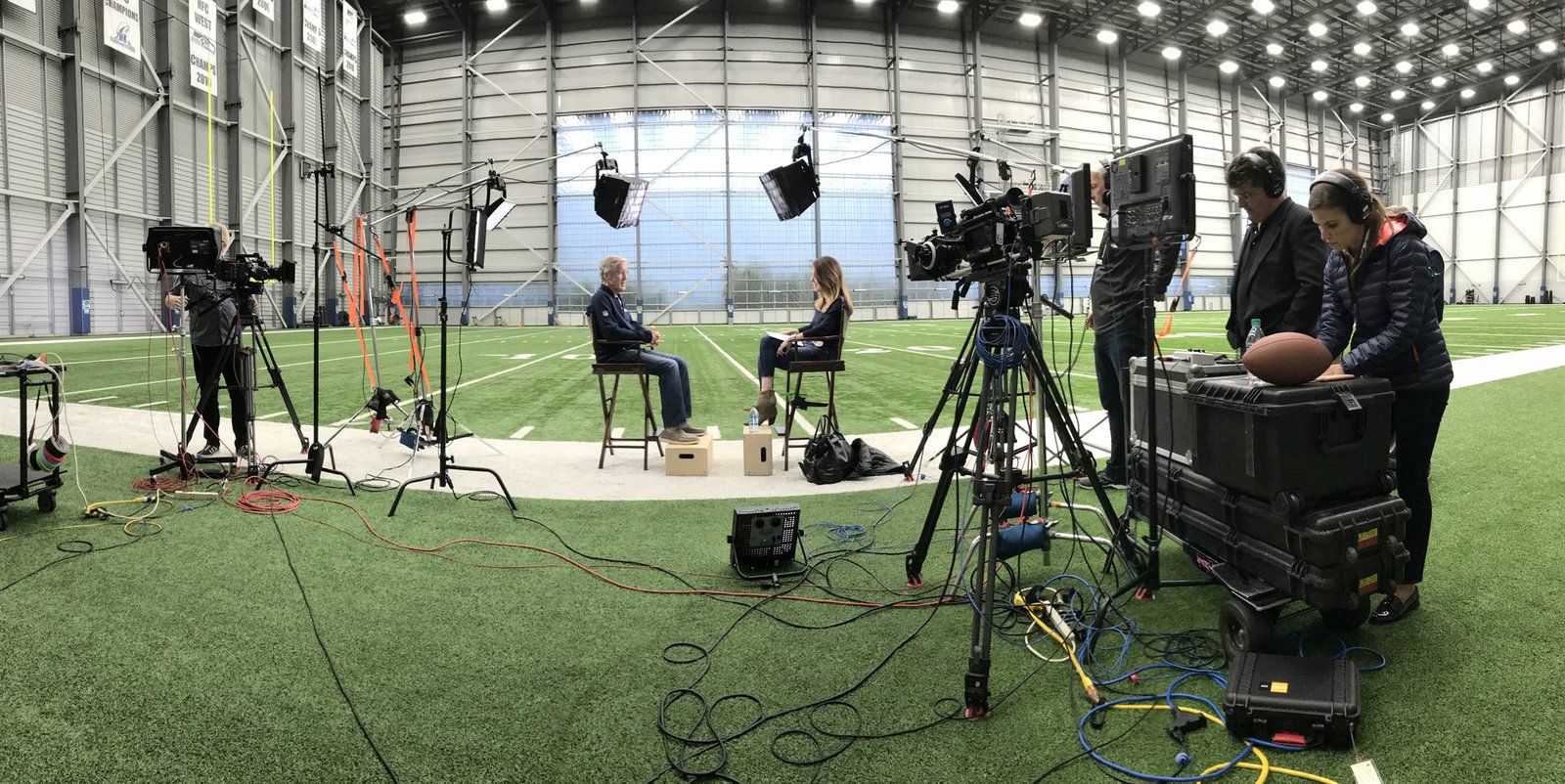
The industry looks glamorous from the outside — bright lights, a byline, your name on screen. What it actually takes to get there is rarely explained clearly, which is exactly why so many talented students give up before they get a real shot. Here's the roadmap I'd give any student starting out today.
Start With Fundamentals, Not Equipment
Every new student asks about cameras and editing software before they ask about writing. That's backwards. A newsroom can teach you a camera system in an afternoon. It cannot teach you news judgment, interviewing instinct, or the discipline to write a clean, accurate script on deadline — those take years to build, and they're what actually get you hired. Spend your early training on the fundamentals: reporting, writing, and understanding what makes a story newsworthy in the first place.
Build A Reel That Shows Range, Not Just Polish
News directors watching student reels see a lot of well-lit standups and not much else. A reel that stands out shows range: a breaking news hit, a longer feature, a live element, maybe a piece you shot and edited entirely on your own. It doesn't need to be long — 90 seconds of genuinely strong work beats five minutes of competent-but-forgettable footage every time.
A reel is a highlight of judgment, not just delivery. Show me you know what the story is, not just that you can read it well.
Say Yes To Small Markets
Almost nobody starts in a market they'd choose. That's normal, and it's useful — small markets are where you report, shoot, write, and edit your own material because there's no one else to do it. That kind of hands-on repetition is what turns a student into a journalist who can be trusted with bigger stories later. Treat the small market as the training ground it is, not a detour. Also -- you'll create your best memories and find your closest life long friends during your first years in the business. I promise.
Find A Mentor Who's Actually Done The Job
Journalism programs teach theory well. They rarely have the bandwidth to give students the individualized, hands-on coaching that used to happen naturally in newsrooms — a producer pulling you aside after a bad live shot, an editor marking up your script line by line. That kind of mentorship is harder to find today, but it's still the fastest way to improve. Seek out someone who has actually worked the job you want, and ask for direct, specific feedback — not encouragement, feedback. Or you can reach out to FFWD Media Mentor and you can benefit from having a 34 year network news veteran in your corner.
The Realistic Timeline
Most successful broadcast careers follow a similar arc: one to two years building fundamentals and a reel, one to three years in a smaller market doing the job at full speed, then a move up as opportunities and experience align. There's no shortcut that skips the repetition — but with the right coaching, you can make every one of those years count more than the last person who did it without guidance.