
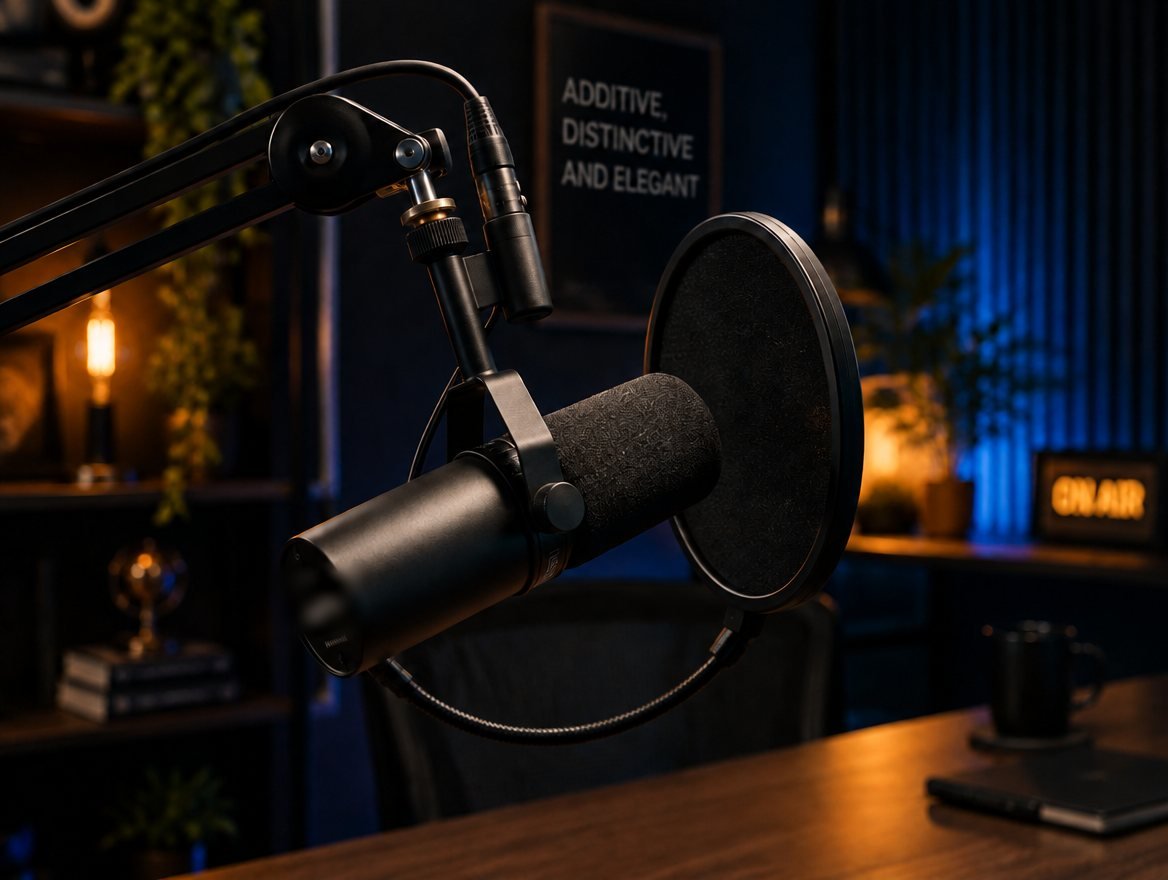
Good podcasts aren't about better microphones. Plenty of shows with modest gear hold an audience for years, while plenty of shows with expensive setups quietly disappear after a dozen episodes. Here are the five mistakes that actually sink new podcasts — and they're all fixable.
1. No Clear Format
"We'll just talk about stuff" is not a format, and listeners can tell within the first episode. A show needs a shape: a recurring structure, a consistent length, a clear sense of what a listener is signing up for each week. Format is what turns a one-off conversation into a show people come back for.
2. Bad Audio Over Bad Content
New podcasters often obsess over content and treat audio quality as an afterthought — backwards from how listeners actually experience a show. Poor audio (echo, inconsistent levels, background noise) causes people to click away faster than mediocre content does. You don't need a studio, but you do need a quiet room, a decent mic, and consistent levels.
3. Interviewing Without Listening
The most common interviewing mistake is running through a list of prepared questions regardless of what the guest just said. The best moments in any interview come from a genuine follow-up — "wait, say more about that" — not the next item on a list. Prepare questions, then be willing to abandon all of them the moment something more interesting comes up. And don't forget to react to something the same way your listener will. If a guest says something outrageous or dubious, counter with a "C'mon!" That's exactly how listeners are reacting and will connect with your skepticism.
A prepared question list is a safety net, not a script. The best interview moments happen when you put it down.
4. Publishing Without Editing
Raw, unedited conversation might feel authentic to record, but it's exhausting to listen to. Tangents, dead air, and false starts that felt natural in the room read as sloppy in the feed. A tight edit — even a light one that just removes the obvious dead weight — makes the difference between a show that feels professional and one that feels like an unedited voice memo.
5. Inconsistent Schedule
Podcast audiences build slowly, through habit. A show that publishes three episodes in a week, then goes quiet for two months, never gives listeners the chance to build that habit. A modest but reliable schedule — even biweekly — will outperform a burst-and-vanish pattern every time. Pick a cadence you can actually sustain before you launch, not after.